

SPOTLIGHT ON PLANNING FOR CHANGE
Sending scouts to the future to create strategic options
BY DR SHAWN CUNNINGHAM
28 AUGUST 2025
Do you sometimes feel like you’re constantly on the back foot as surprise after surprise disrupts your plans? Are you continually having to shuffle your priorities, meaning that your long-term strategies are put on hold as you face more immediate challenges? Sometimes these surprises might even feel like déjà vu, because you might have sensed something was coming but did not think it was so imminent that you had to confront it.

ABOUT THE TECHNOLOGICAL CHANGE PROJECT
The Technological Change and Innovation System Observatory project aims to track and create awareness of disruptive innovation and discontinuous technological change by organisations in the public, private and not-for-profit sectors.
 The Technological Change and Innovation System Observatory project aims to track and create awareness of disruptive innovation and discontinuous technological change by organisations in the public, private and not-for-profit sectors.
PROFILING TECHNOLOGIES
AT THE FRONTIER
JENDAMARK AUTOMATION
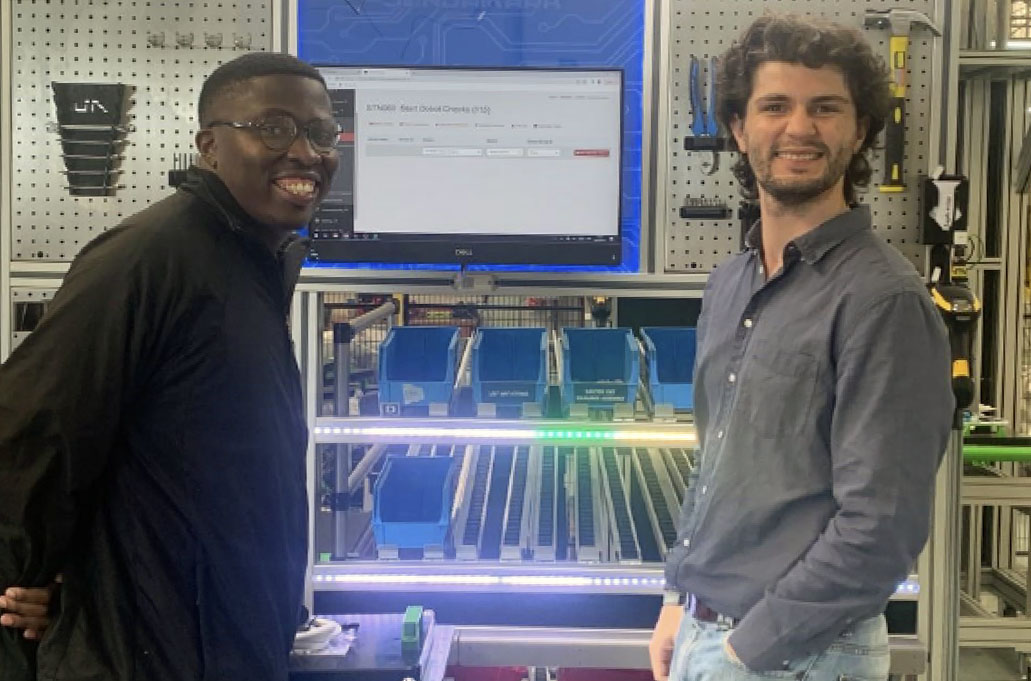
Jendamark Automation, based in Gqeberha, was the brainchild of Eastern Cape-born Quinton Uren who started working out of a garage in 1989. More than 30 years on, with Uren at the hel...
LARGE LANGUAGE MODELS LIKE CHATGPT AND THE WORKPLACE

Artificial intelligence in the form of ChatGPT was a massive and almost instant phenomenon. One year ago – in November 2022 – OpenAI released its ChatGPT model on the internet. Wi...
IMRAAN TEXTILE MILLS
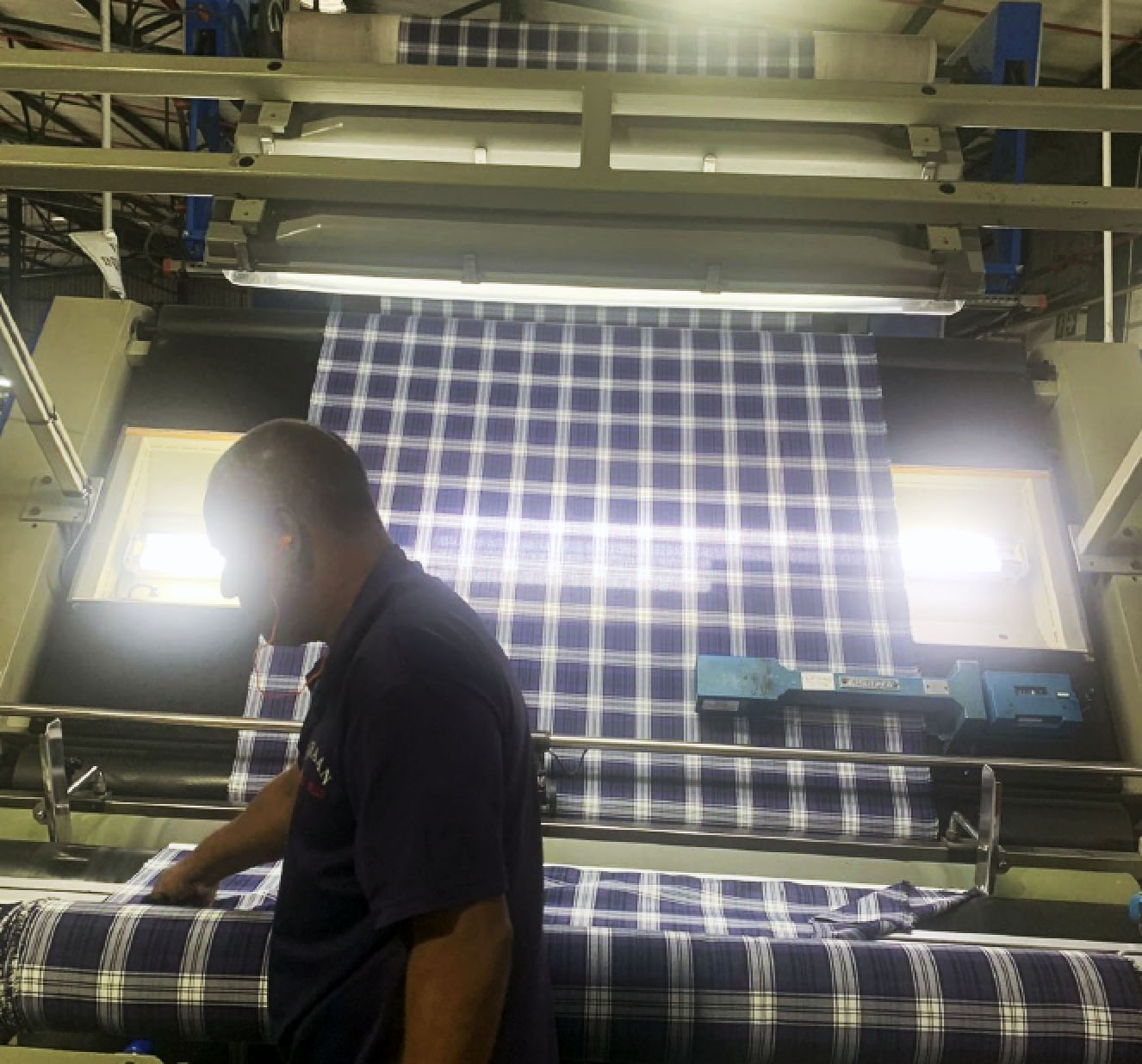 Imraan Textile Mills – which produces woven fabric mainly for the local apparel market – is located in the hills of Mtwalume on the South Coast of KwaZulu-Natal. The Bux family becam...
HI-ALLOY CASTINGS
 Foundries are traditionally depicted as being dirty, dark and dangerous but the current General Manager of Hi-Alloy Castings, Dalmari Mc Queen, is focused on transforming the company...
PRESTIGE CLOTHING TFG
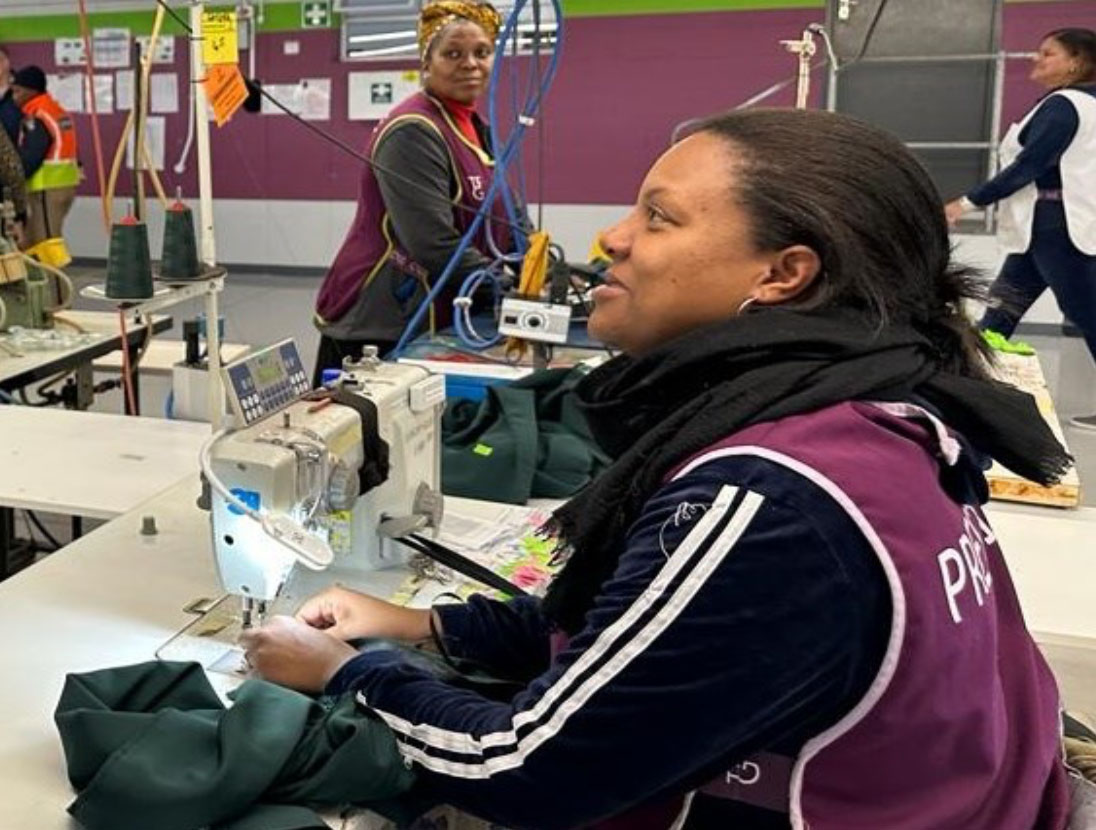 At first glance on entering the Prestige Clothing TFG factory in Epping, Cape Town you get a sense of a traditional clothing manufacturing company. However, beyond the rows of machin...
ROBOTICS IN THE MANUFACTURING SECTOR
 A robot is a programmable machine that can complete a task typically performed by a human. Robots have different levels of autonomy, ranging from human-controlled to autonomous bo...
AUGMENTED REALITY IN THE MANUFACTURING SECTOR: TECHNOLOGICAL NOVELTY OR MERIT
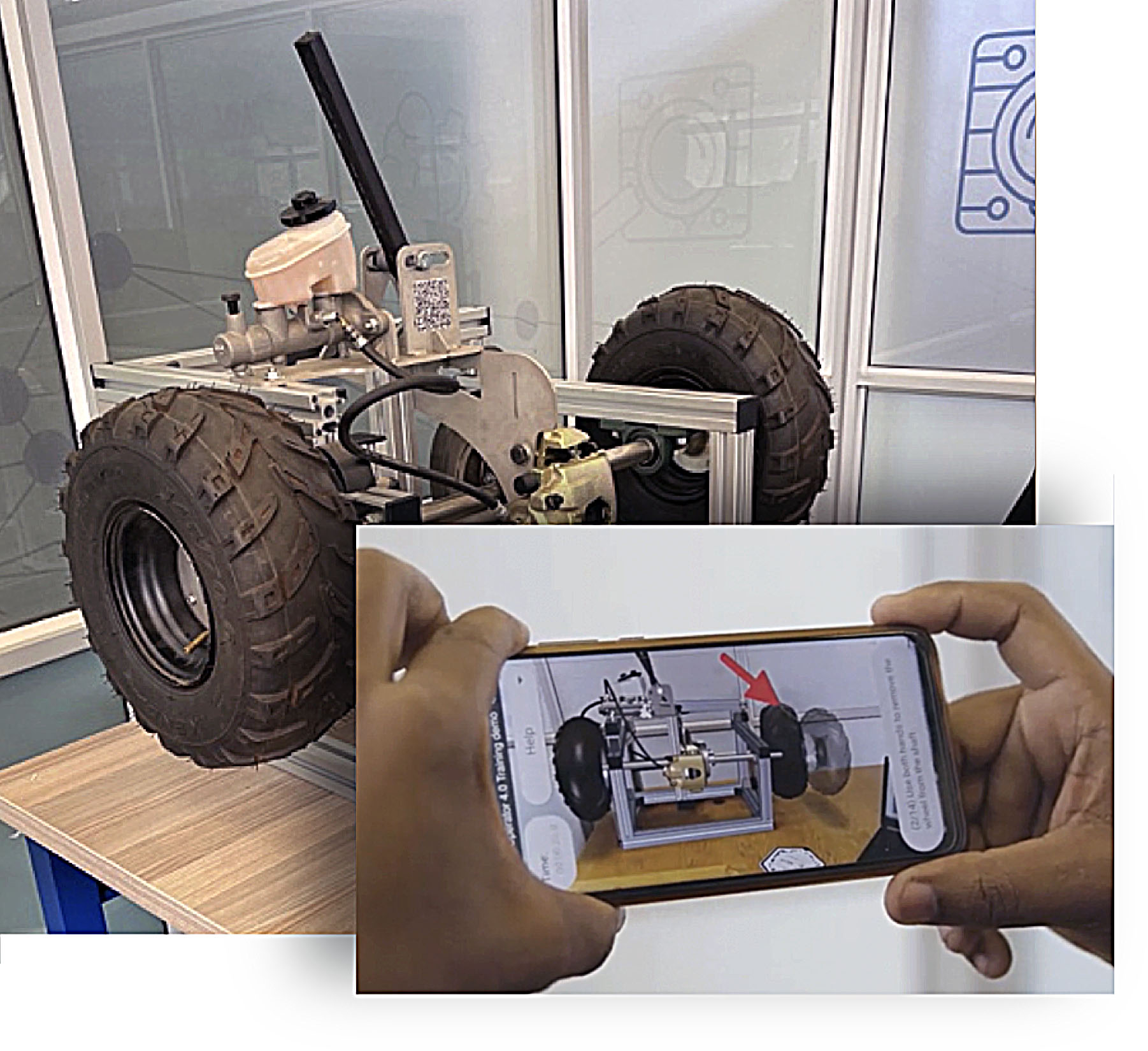 Augmented reality (AR) technology allows digital content to be overlayed or superimposed onto the real world. AR is only partially immersive as digital content is integrated as a ...
INFORMATION PROCESSING: ARTIFICIAL INTELLIGENCE, MACHINE LEARNING AND BIG DATA
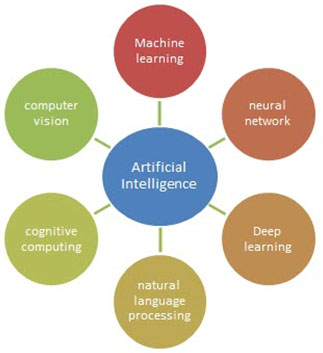
Artificial intelligence (AI) can be described as the ability of digital systems to acquire and apply knowledge, and to autonomously execute tasks associated with intelligent being...
THE INTERNET OF THINGS
 Over the past 10 years, the Internet of Things (IoT) has slowly crept into the daily lives of consumers through smartwatches, vehicle tracking systems, public transport apps, home...
Additive manufacturing: 3d and 4d printing
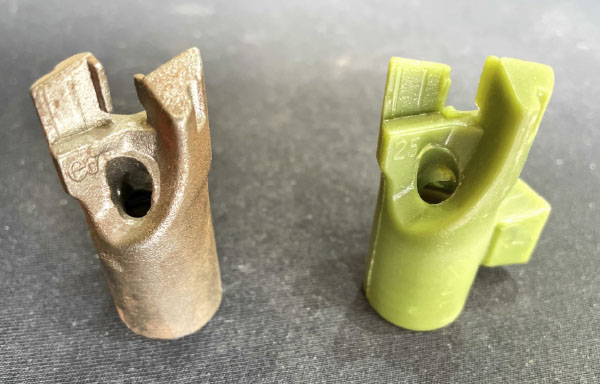 Additive layer manufacturing describes a manufacturing process in which a digitally controlled head with a laser deposits a fine layer of raw material to const...
POLICY BRIEFS
AND RESEARCH PAPERS
Technological change and industrial policy
RESEARCH PAPER
Strengthening the distributed technological intelligence of industries in South Africa
Organisations have to confront new technologies, or they might be disrupted when new technologies exceed the performance and functions of their current core competencies. Observing global technology developments is hard for any organisation to do alone, especially when potentially valuable or disruptive technologies may be developed in the obscurity of niche markets. Anticipating the potential of these technologies is important, and strategies need to be adjusted to develop new competencies, adjust existing competencies, and reconfigure the business model as the organisation learns about the possibilities of the new technology. As industries, technologies, supporting organisations and broader institutions co-evolve, it is not sufficient for a few companies to individual...
POLICY BRIEF
Adoption of frontier technologies in six manufacturing subsectors
This policy brief highlights the adoption of frontier technologies in six manufacturing subsectors: metal and engineering; retail motor and aftercare; plastics; manufacturing; automotive components; automotive manufacturing; and new tyre manufacturing. This is important because, while there is an understanding of the importance of frontier technologies for the manufacturing sector, there has not been a comprehensive investigation of the level of adoption across the different subsectors. Previous research has either zoned in on one sector, such as metal, or looked at the level of adoption at the continental level. To address the gap, a survey was conducted on behalf of merSETA (the Manufacturing, Engineering and Related Services Sector Education and Training Authority) to collate baseline information on key trends around technological change. This policy brief highlights the aggregated results from the survey. The survey analysis is supplemented by interview data with key stakeholders in the industry.
POLICY BRIEF
Technological change and the DTIC: innovation in the industry
The rapid pace of technological change is taking place in the context of South Africa slipping in its readiness for these changes. At the same time policies to support structural economic change in the economy, such as moving from a dependence on mining and commodities, are being implemented. Technological change and innovation are important elements of this structural change. This Policy Brief aims to give context to these technological changes and the industrial policy interface.
RESEARCH REPORTS
- Framing the concepts that underpin discontinuous technological change, technological capability and absorptive capacity
This paper takes the form of a literature study on the topic of technological change, innovation and building technological capabilities. - World Economic Forum and the fourth industrial revolution in South Africa
This paper focuses on the fourth industrial revolution and the concept as promoted by the World Economic Forum, international consultancies, governments and multinational firms. - Mapping the meso space that enables technological change, productivity improvement and innovation in the manufacturing sector
This paper focuses on meso organisations and policies that strengthen the technological capability of the country or an industry to enable change, adaptation and economic resilience. - Technological change and sustainable mobility: An overview of global trends and South African developments
This paper focuses on technological change and the developments in the sustainable mobility topic in South Africa.
OTHER
PUBLICATIONS
South Africa's National AI Policy Framework (2024)
The National AI Policy Framework aims to integrate AI technologies to drive growth and enhance social well-being. It's core objective is to foster a robust AI ecosystem through coordinated research and development, talent cultivation and infrastructure investment.
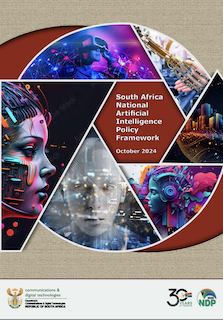
The framework was released in October 2024 by the Department of Communications and Digital Technologies.
The 2024 South African Science, Technology and Innovation Report
Published by the National Advisory Council on Innovation.
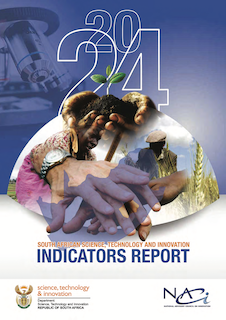
The 2024 Science, Technology and Innovation (STI) report monitors the annual performance of the South African National System of Innovation (NSI).
This is achieved by consolidating STI data from reliable local and international sources. Where possible, drivers of observed trends are identified. This report aims to stimulate further investigation/research on selected topics of national interest.